Odorless Tub&Sink Refinishing📞+1 (726) 205-6762

Odorless Tub&Sink Refinishing📞+1 (726) 205-6762

Menu

What materials and technologies do we use?

Our materials

Our materials

Materials and technologies of the highest quality 

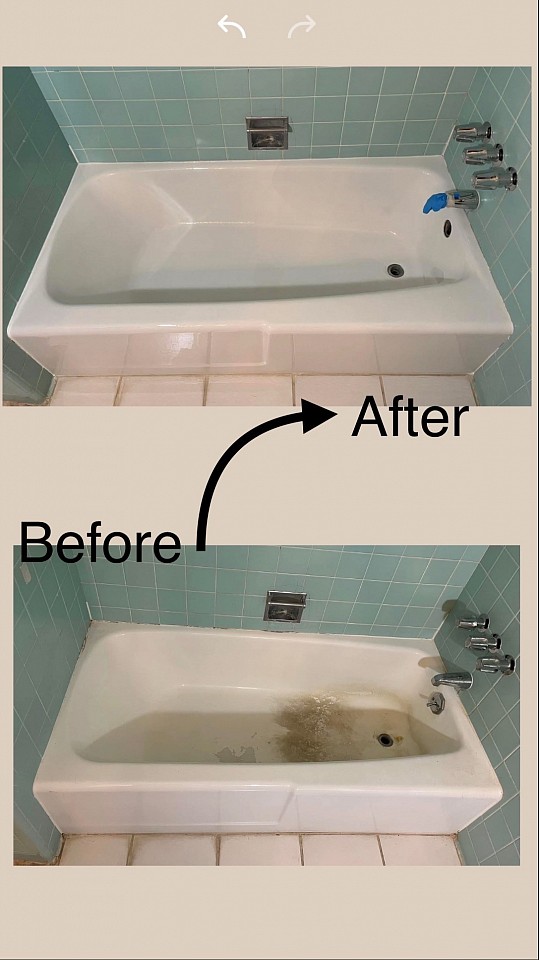
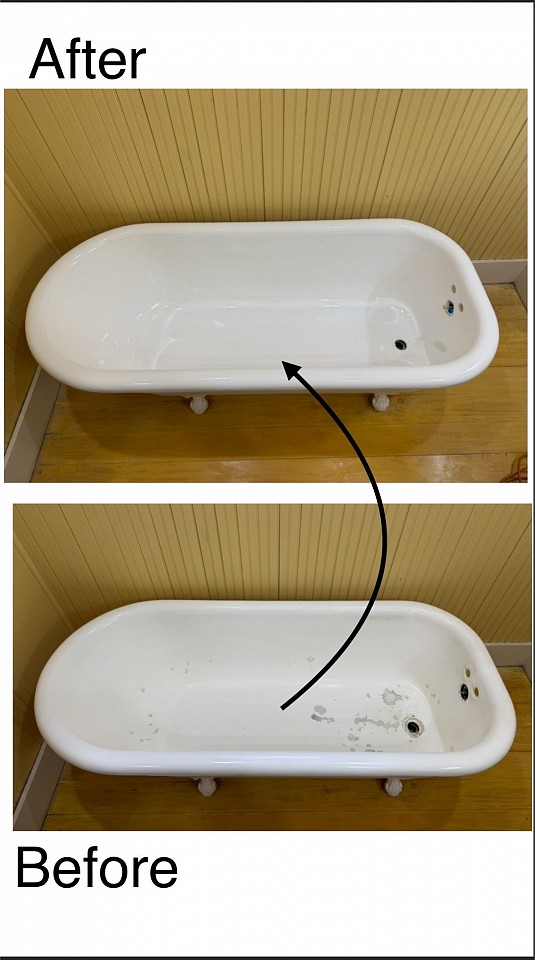
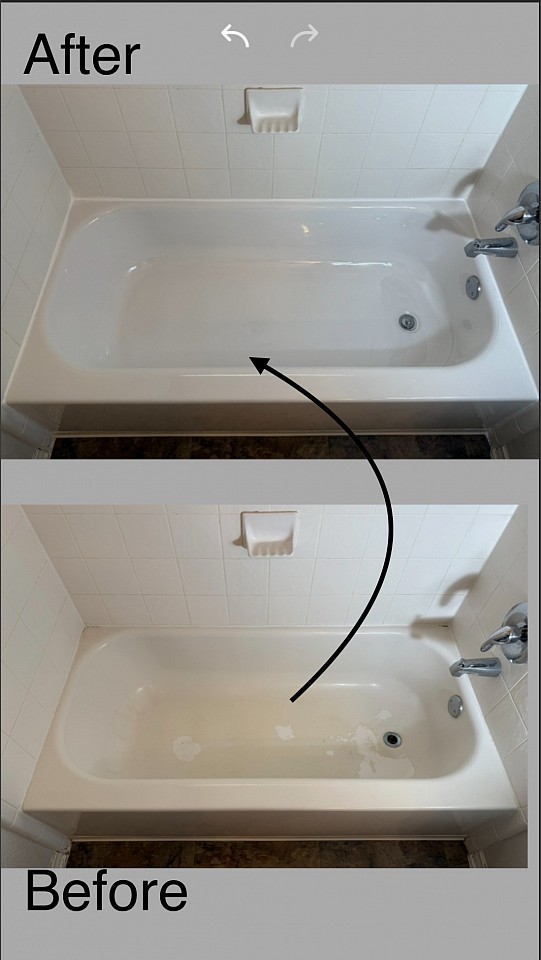
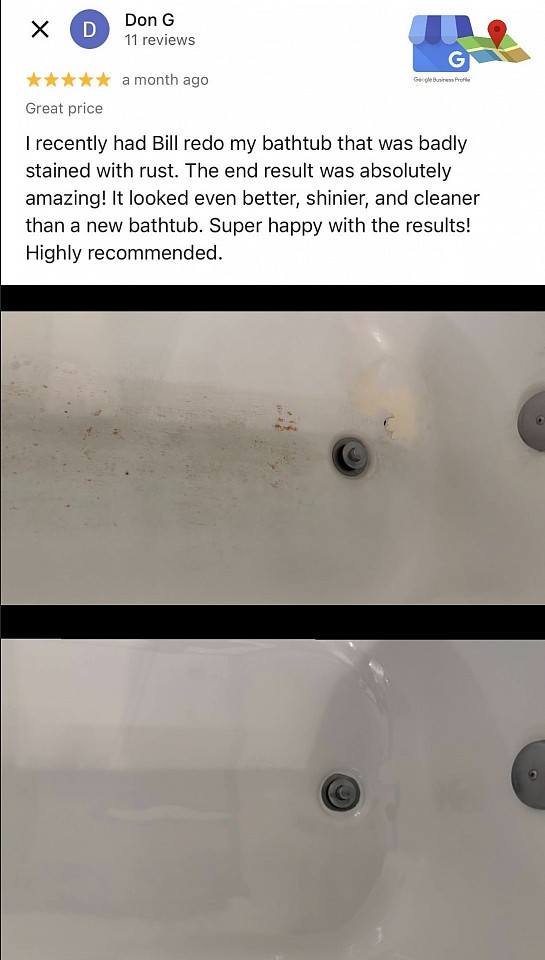
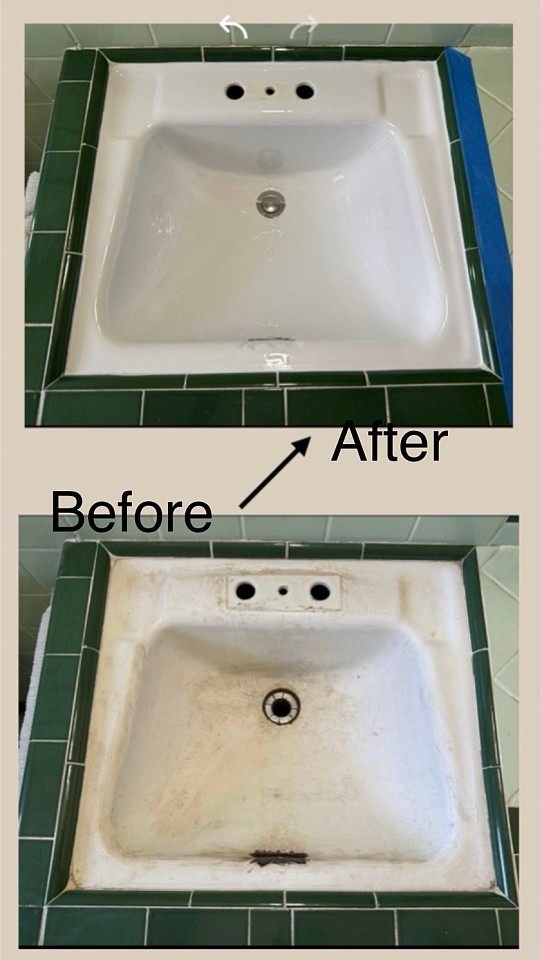
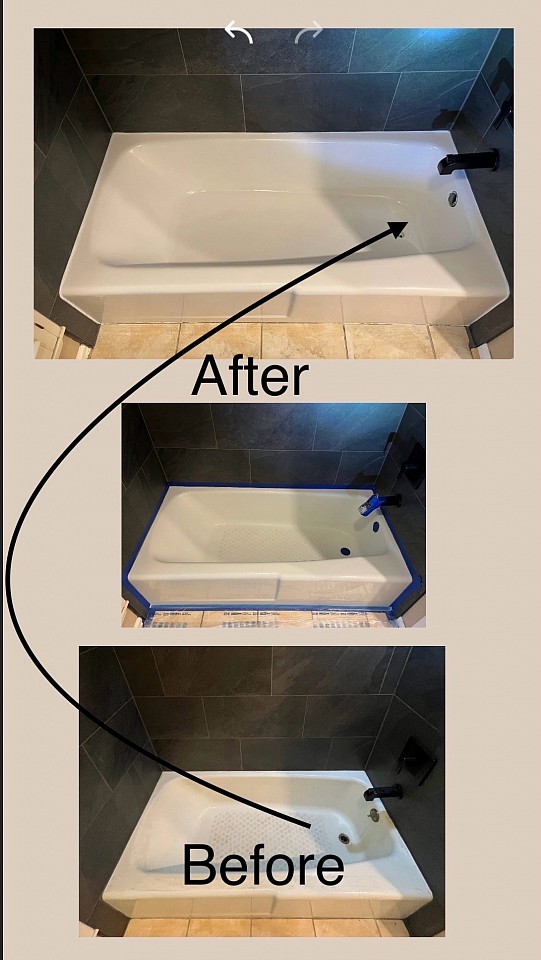
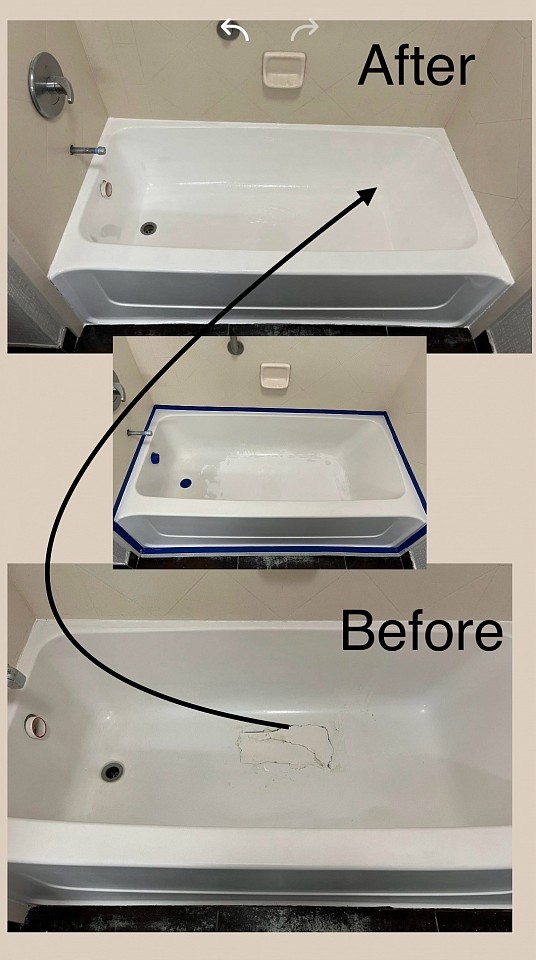
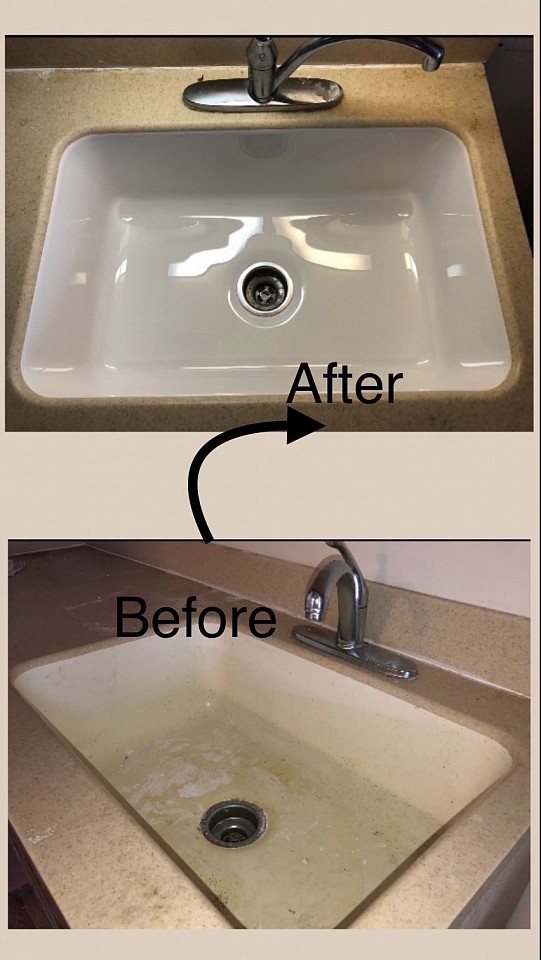
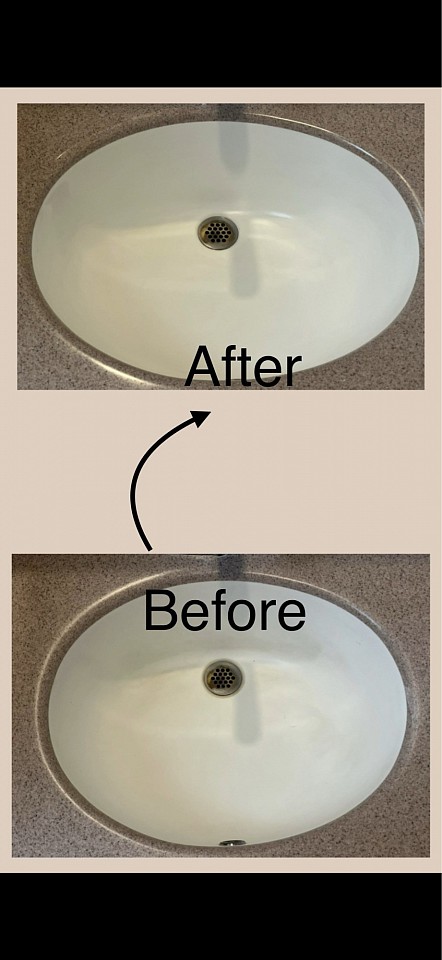
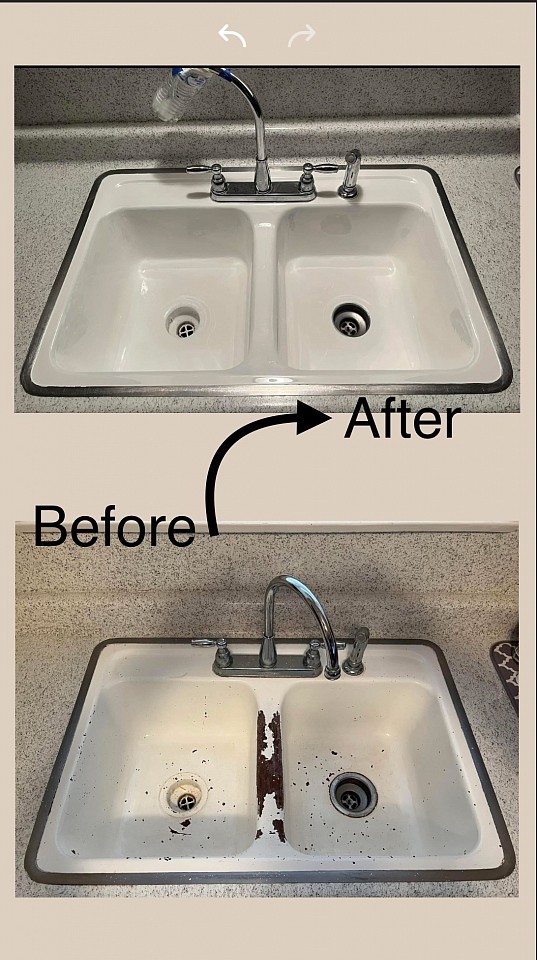
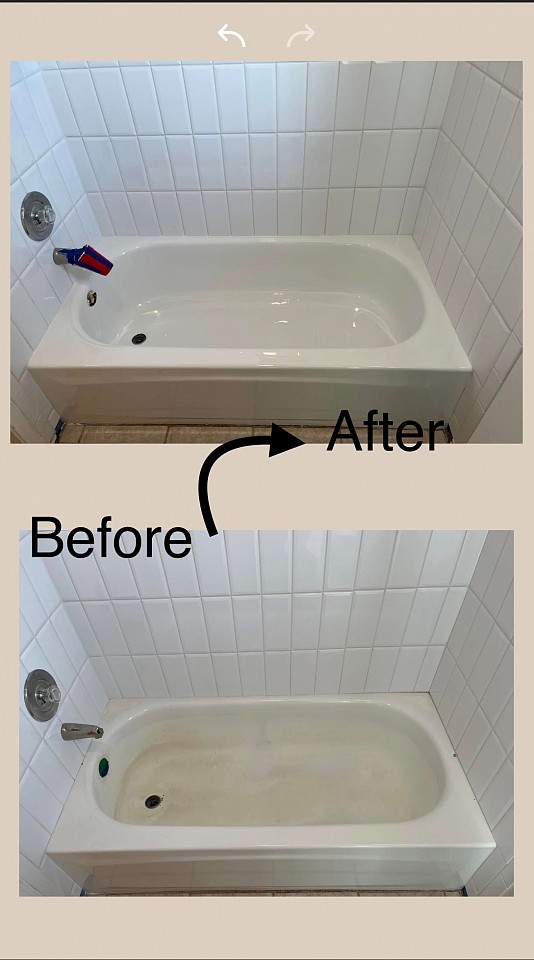
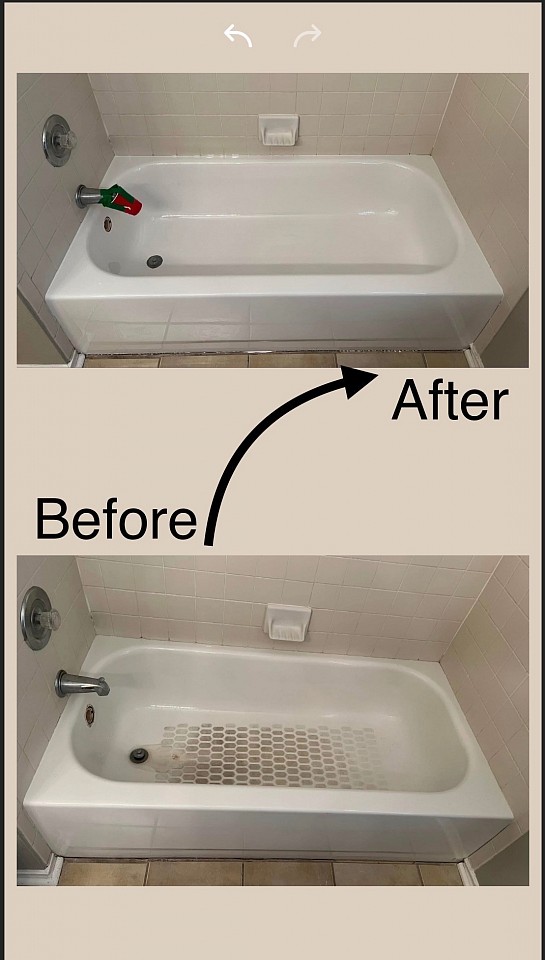
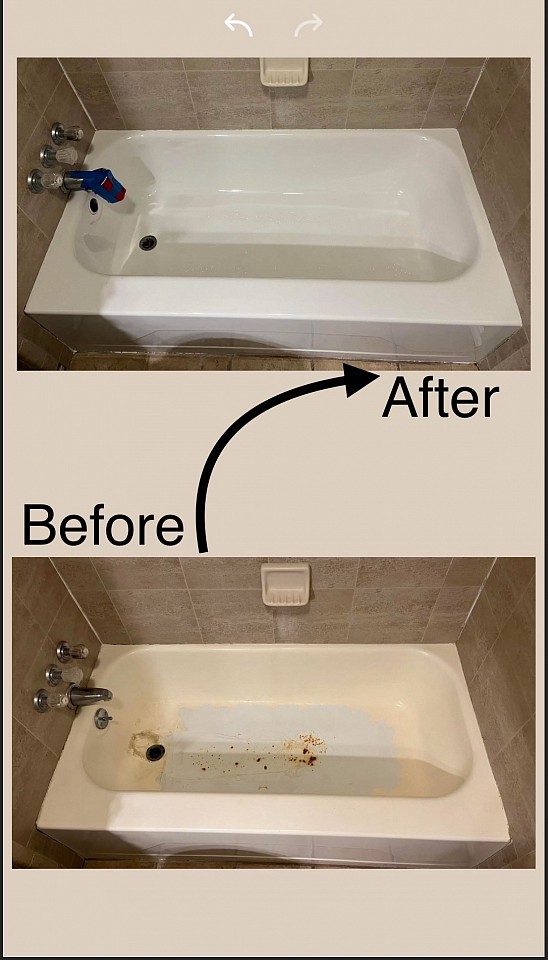
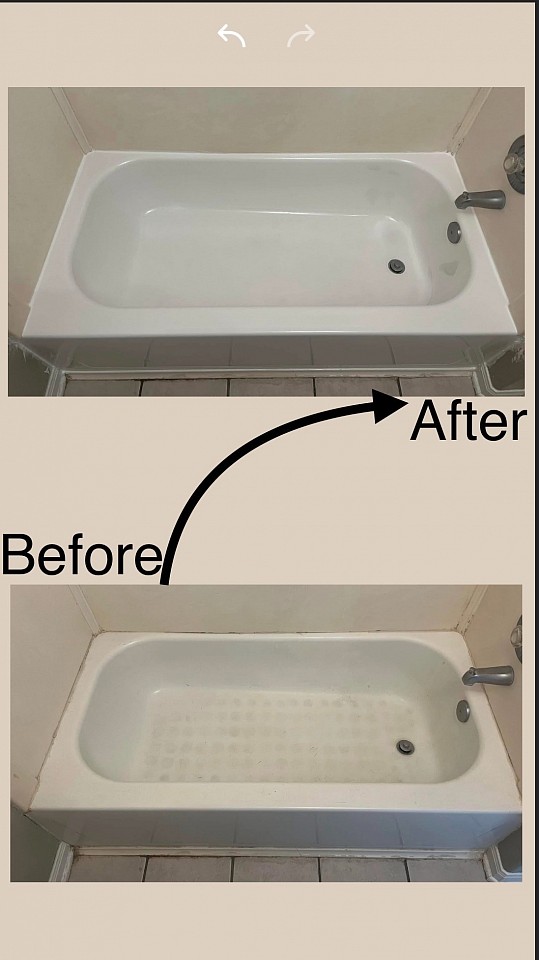
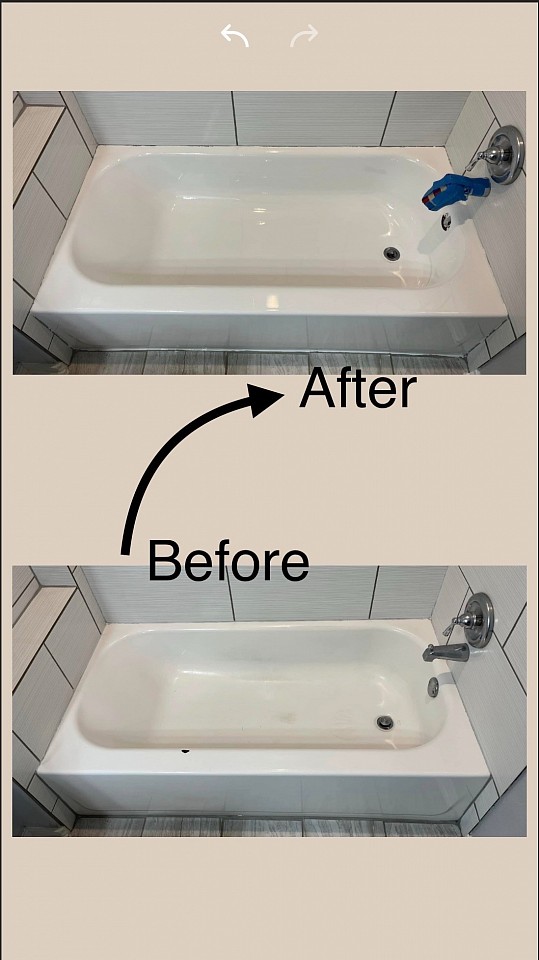
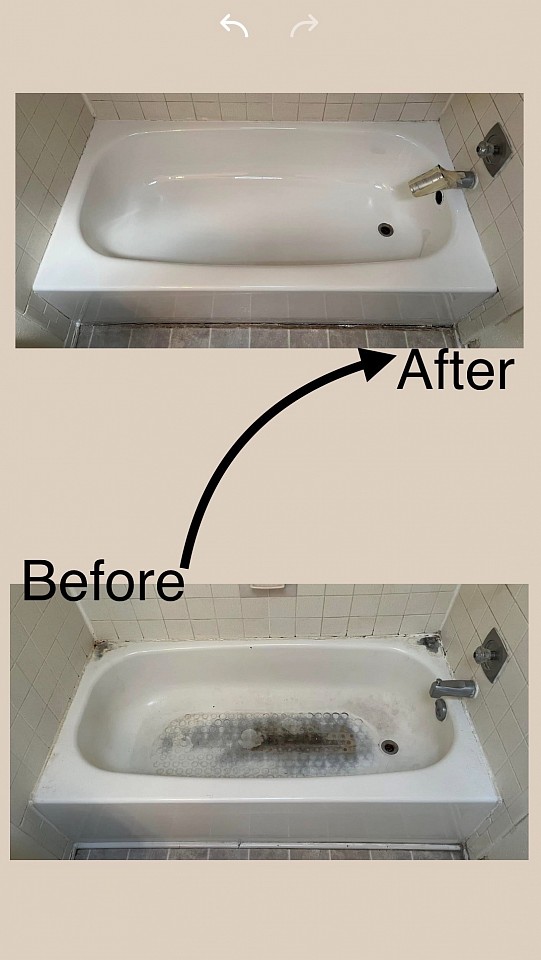
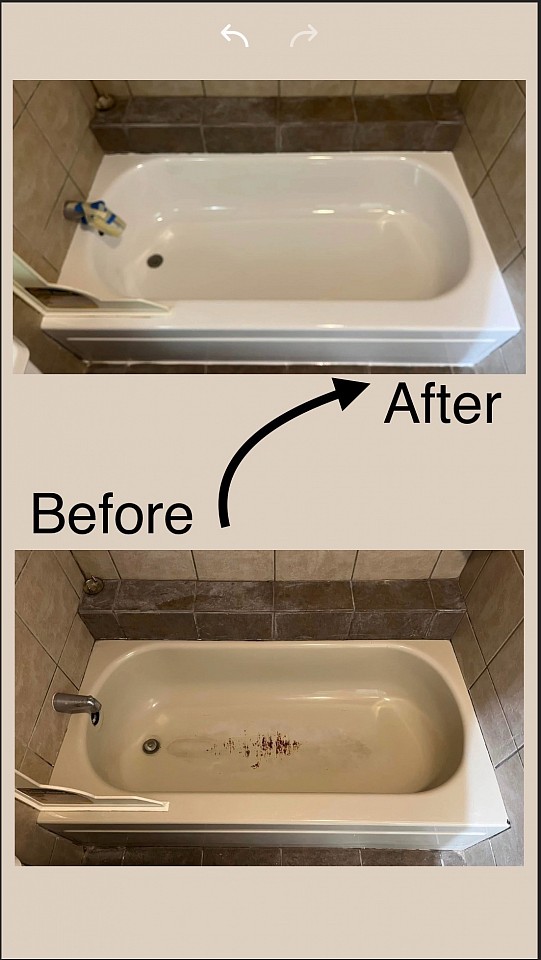
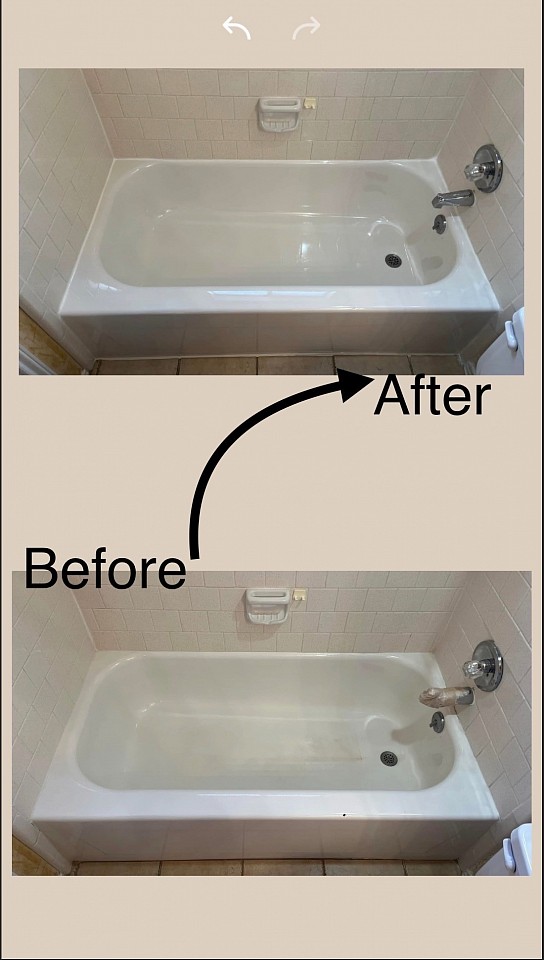
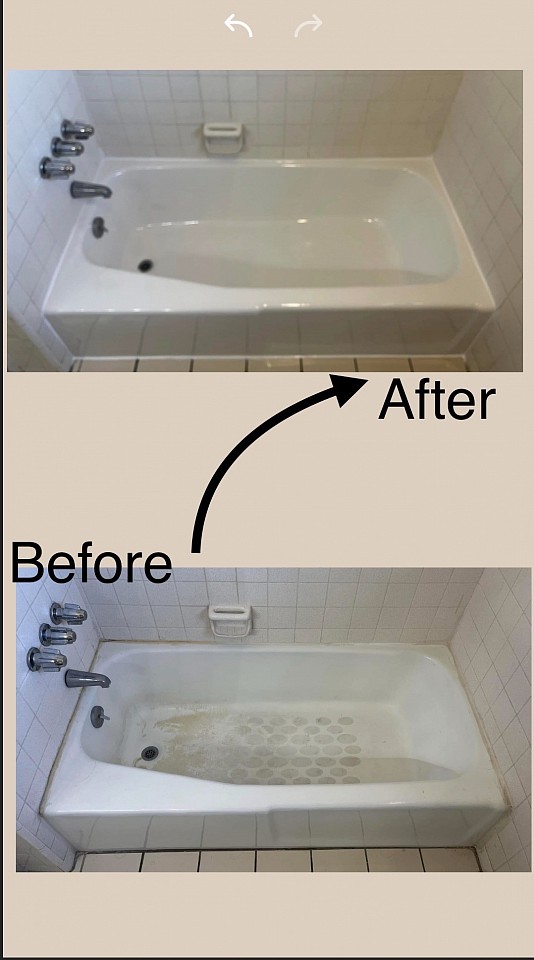
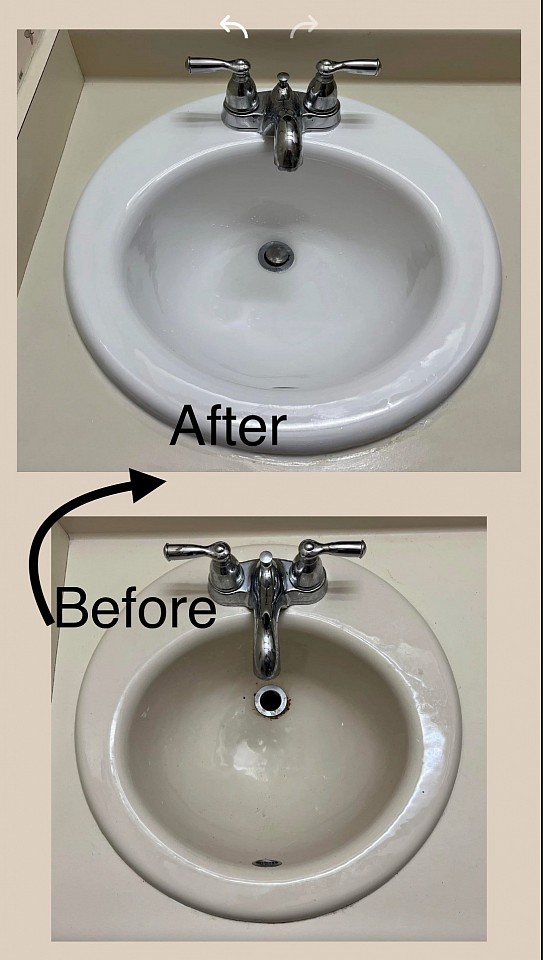
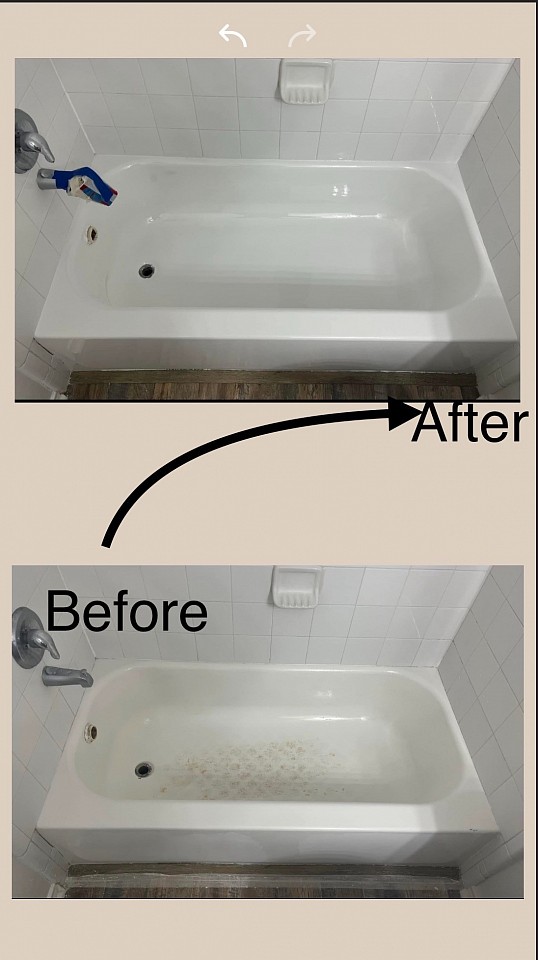
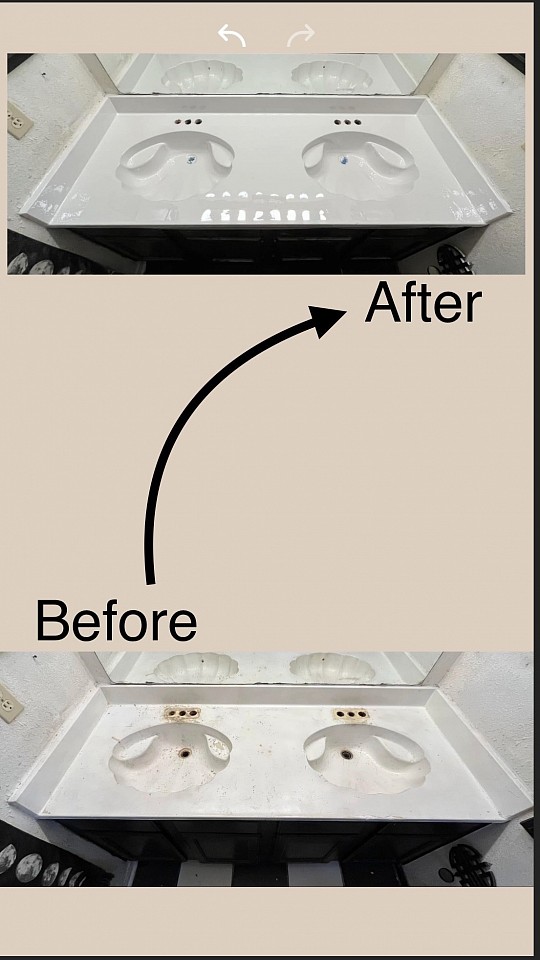
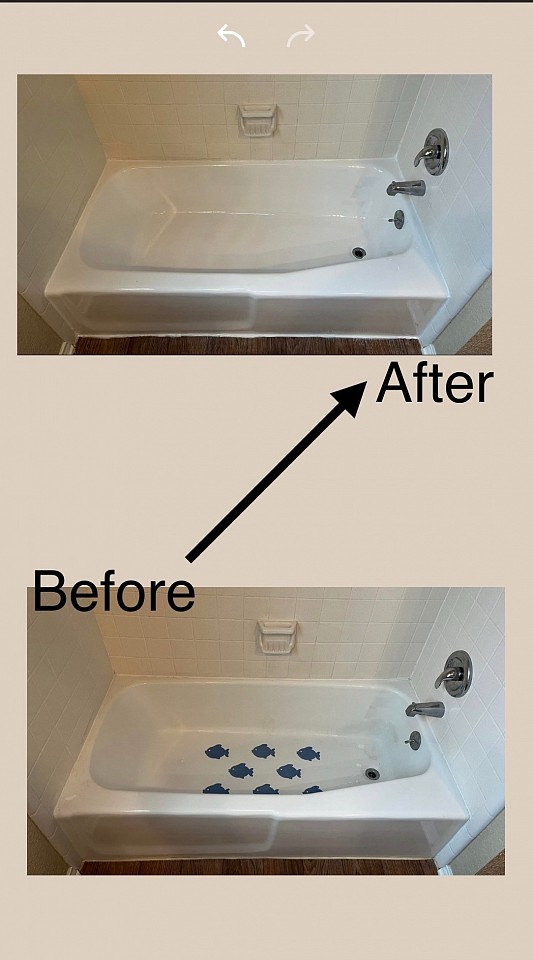
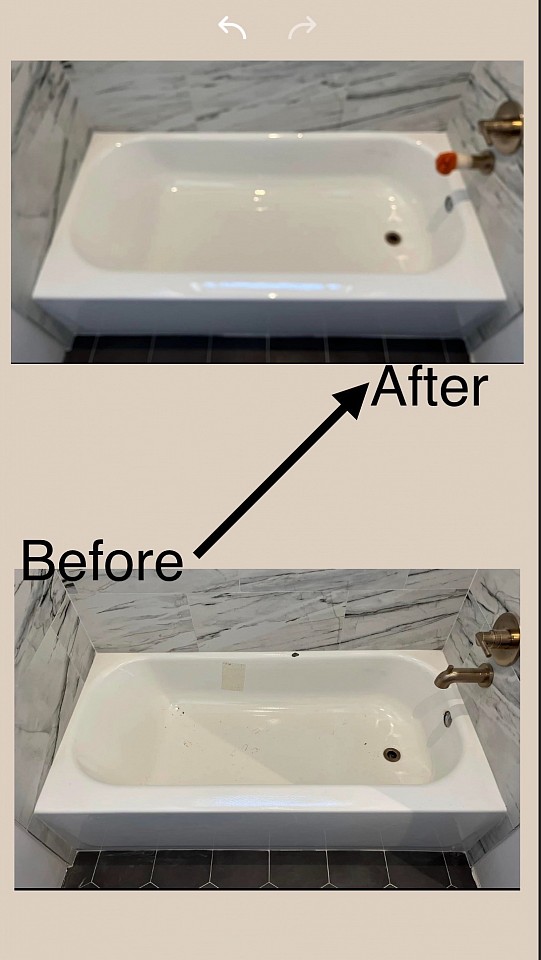
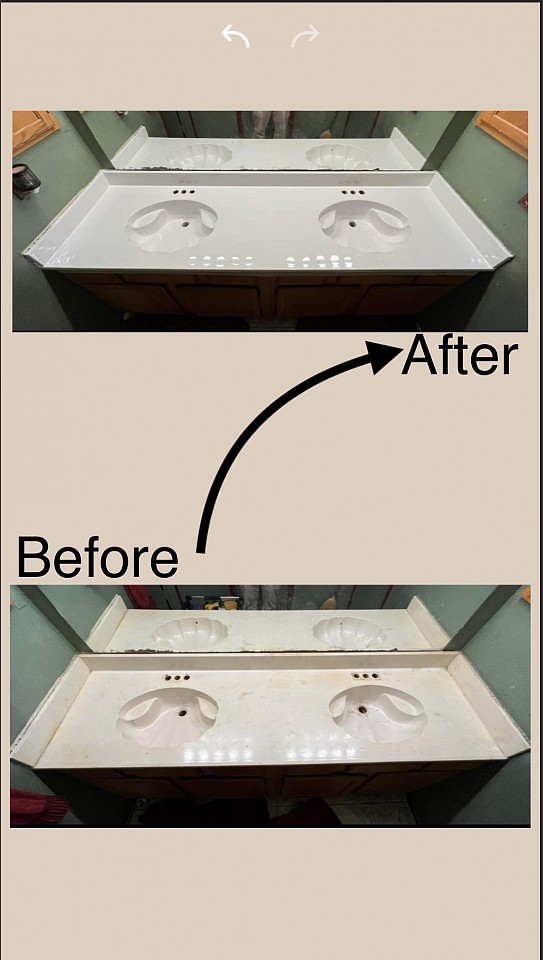
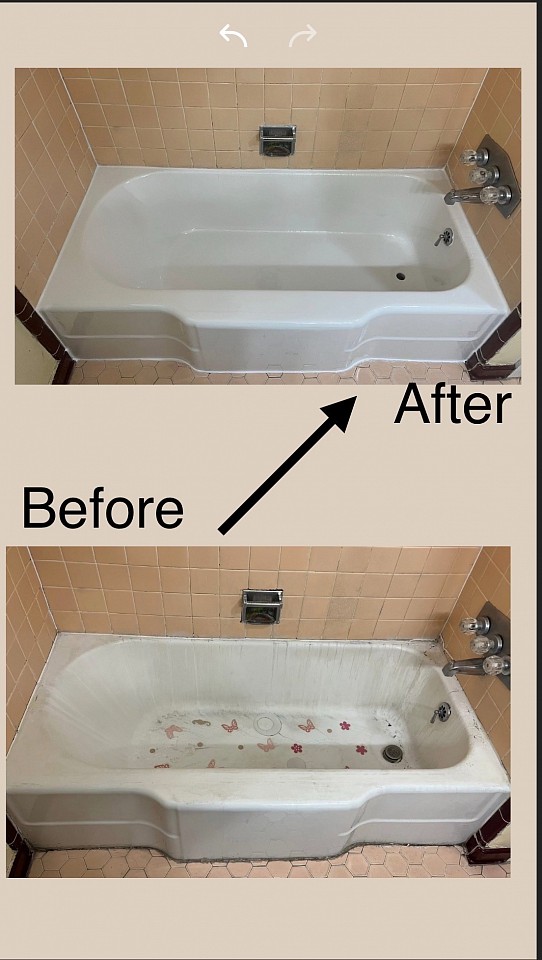
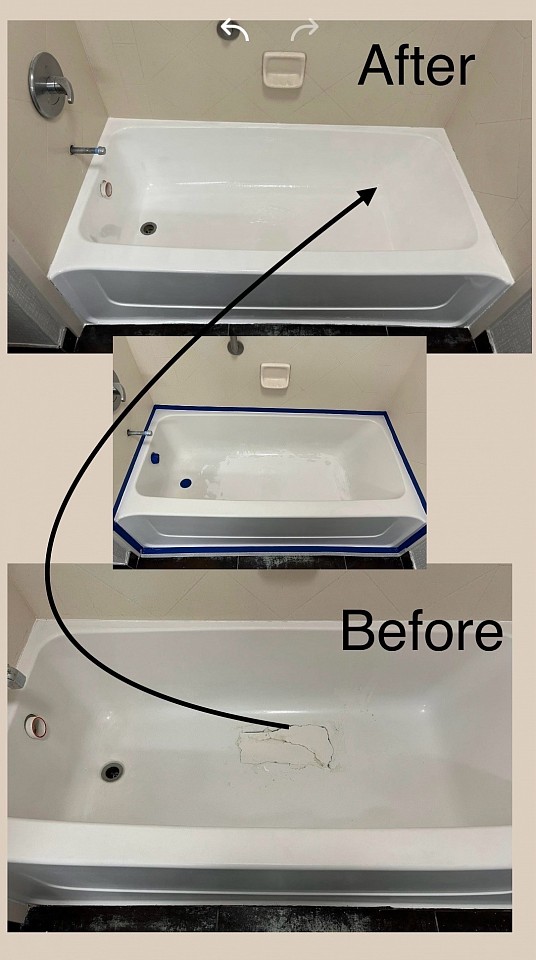
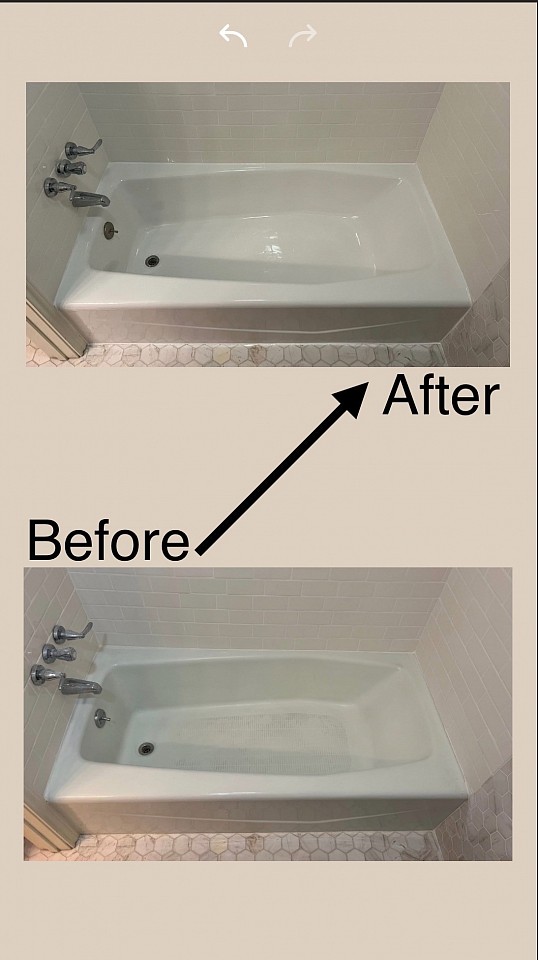
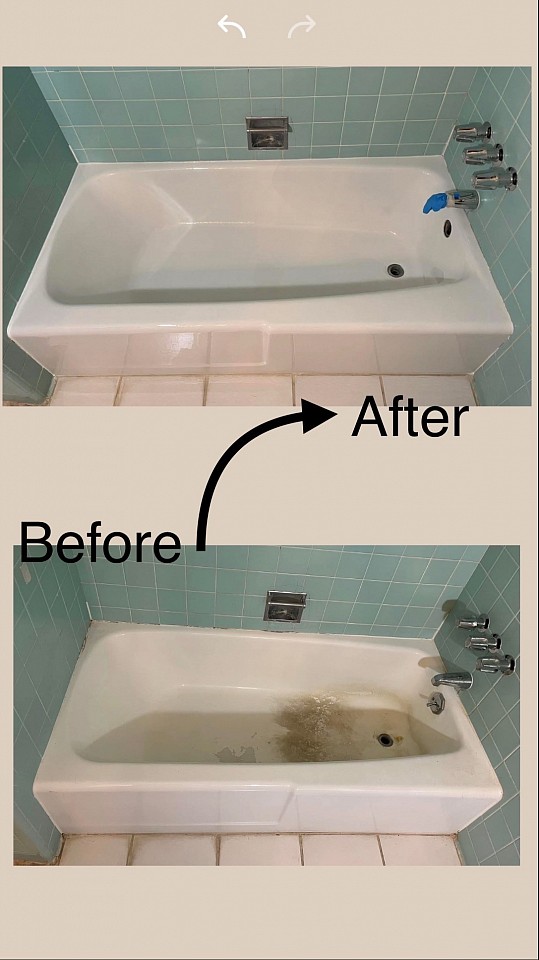
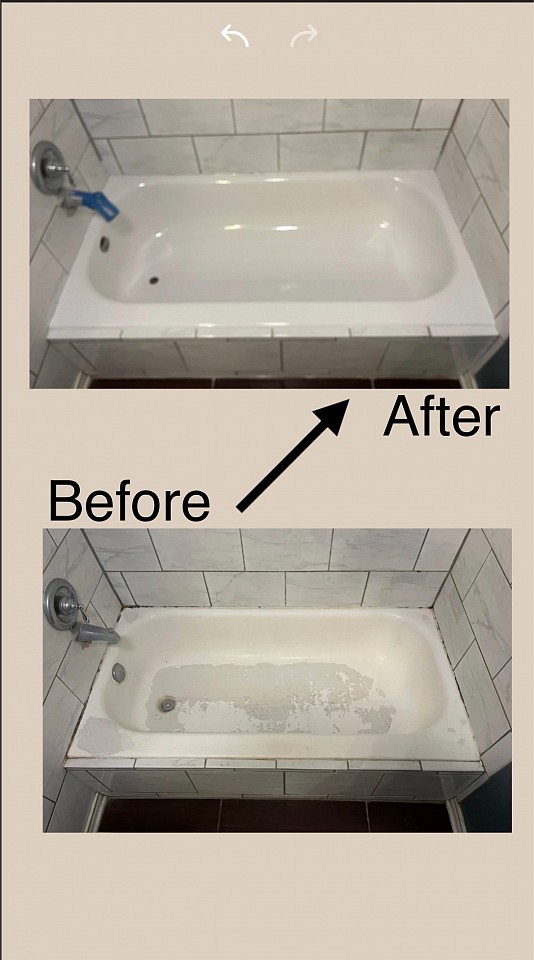
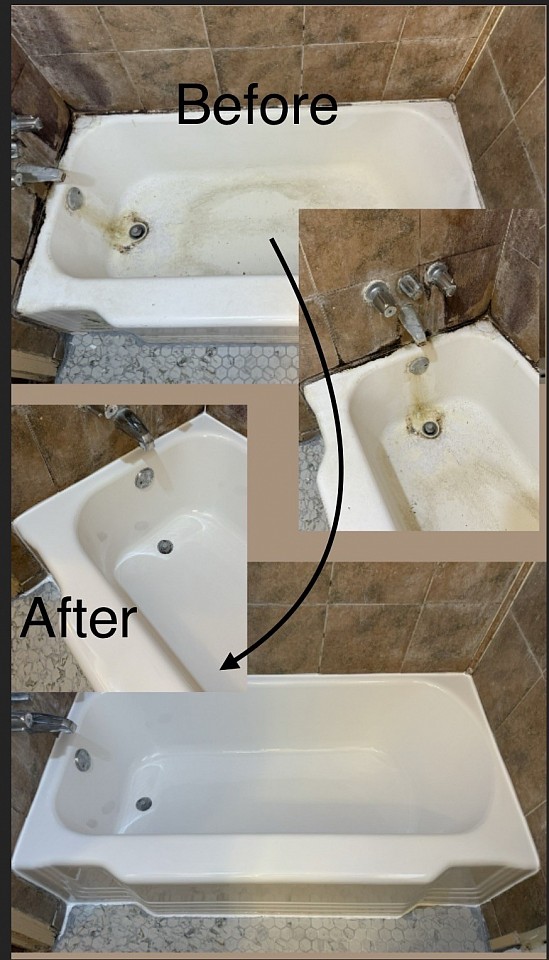
We use high-quality epoxy materials. It’s safe, and doesn’t contain hazardous odors or vapors. With our odorless eco-friendly formula you can stay at home while we work. It’s very durable and waterproof. No peeling, cracking, chipping. We use about 5,5 lb of paint for a standard size bathtub (we can’t use less paint) - thus, our coating 10 thicker of the conventional spray ((about 1 1/16 inch thick). Very high chemical resistance. Our formula is dust free so there is no need to protect the furniture and walls before applying. - Your bathtub will get beautiful glossy layer with a mirror shine.  It  will look like a new one!

Get All the Facts Before You Decide!

Chemicals, paints, and materials play the starring roles in bathtub refinishing. So, it’s a smart move to get informed before making your choice.

Let’s dive into the chemicals companies use to resurface bathtubs.

What do these chemicals actually do?

What are the options when choosing one chemical method over another?

And what are the pros and cons of each?

Safety First

These chemicals and paints often give off strong smells that can be harmful to you and your family.

We’ll focus on three main chemical products:

Polyurethane paint
Acrylic polyurethane paint
Epoxy material

# Epoxy Painting

# Epoxy Resin Coating

Alright, let’s get started!

Polyurethane Paint

Polyurethane is a popular paint choice for lots of household projects. It’s great for refinishing walls, wooden furniture, even antique cars. Usually, it’s made from a mix of plastic paint resins.

Polyurethane often contains vegetable oil acids, nitrogen compounds, mineral spirits, and isocyanates. Let’s break down the last two. Mineral spirits are petroleum-based and act as a paint thinner, but they’re actually better than traditional paint thinners—they smell less and are less volatile. Isocyanates react with other ingredients in polyurethane to make the paint heat-resistant and long-lasting. They bond with polyol alcohols to create a complex polymer structure.

So, isocyanates boost strength and heat resistance, while mineral spirits keep the mix stable and less volatile. Nitrogen elements help prevent the painted surface from becoming brittle.

Oxygen also plays a key role in forming the polyurethane surface. Unfortunately, water-based polyurethanes don’t hold up as well—they can chip and don’t last as long as oil-based ones.

That said, water-based polyurethane dries faster and smells less than oil-based versions.

Still, traditional oil-based polyurethane is the go-to champion for bathtub refinishing.

Acrylic Polyurethane Paint

This type is part of the polymer family and is usually the most budget-friendly option. Acrylic polymers are everywhere—from nail polish to fine art paints.

Some acrylic paints contain ammonia, which can have a harsh chemical smell that’s not great for your health. The main cause of acrylic paint’s odor comes from solvents and additives used in the formula:

  • Solvents help dissolve pigments and binders but can give off strong smells.
  • Additives improve the paint’s surface but may also produce unpleasant odors.
  • The drying process releases volatile organic compounds (VOCs), which cause those strong smells. Some acrylic paints labeled "low VOC" or "VOC-free" have much lower emissions and are safer.

Acrylic polyurethane paint is the most affordable type compared to polyester polyurethane. It offers better protection against scratches, stains, and chemicals than regular paints but isn’t as tough as polyester versions.

You’ll often find acrylic polyurethane on cars and water towers—places with less friction and wear. You can apply it with a sprayer, spray can, or brush. If sprayed, it can take up to 10 days to fully harden and dry.

Epoxy Material

This term covers a whole class of thermosetting polymers made from epoxide compounds, or the cured product itself.

Epoxy materials are prized for their strength and ability to bond tightly to many surfaces. The strength and bonding power vary depending on the resin blend, hardener, and the surface it’s applied to. You might wonder about the difference between epoxy paint and epoxy coating—they’re not the same!

# Epoxy Painting is basically acrylic latex paint that may have some epoxy added to help it stick better. But it’s still just paint and doesn’t have the durability of true epoxy resin coating. Epoxy paint can crack and peel, especially on a bathtub that gets a lot of use.

# Epoxy Resin Coating gets its name from the epoxide chemical bond, which forms a strong polymer when mixed with a hardener. This liquid mixture cures into a solid, tough material.

Coating epoxy resin usually has a specific resin-to-hardener ratio and cures faster than casting epoxy resin. It creates a strong, waterproof, chip-resistant, and rust-proof finish. Preparing the surface for epoxy coating takes more time and effort, but it results in a smooth, well-bonded, and hard finish that’s way better than epoxy paint.

When applied right, epoxy resin coatings are super durable and glossy. Plus, some “low VOC” or “VOC-free” epoxy coatings are tested to release little to no harmful chemicals and have no strong odor.

That’s why epoxy resin coating really stands out as a top choice!

In a nutshell: Epoxy resin coating offers great advantages over other options. Investing in high-quality materials is safer and just plain better. So, it’s definitely worth doing your homework before making a decision you might regret!

X